Starting BOPP Packing Tape Production? A Beginner’s Guide to Equipment
If you are new to BOPP packing tape production, start by understanding the raw material and converting process.
A common way to begin is to buy BOPP jumbo rolls that are already coated with adhesive, then slit and rewind them into smaller carton-sealing tape rolls. Ask the supplier for adhesive-coated BOPP tape jumbo rolls and confirm the width, thickness and colour.
For this setup, prepare a tape slitter, paper core cutter, core loader/unloader, mini rewinder and matching tooling.
1. How do you choose a tape slitter?
List your finished tape widths, length per roll and core inner diameters. Ask the equipment supplier to check the jumbo roll dimensions and recommend a suitable slitter.
Compare changeover procedures, staffing requirements, blades and rewind shafts, as well as price. During a trial, check finished width, winding quality and actual roll length.
2. What do the four machines do?
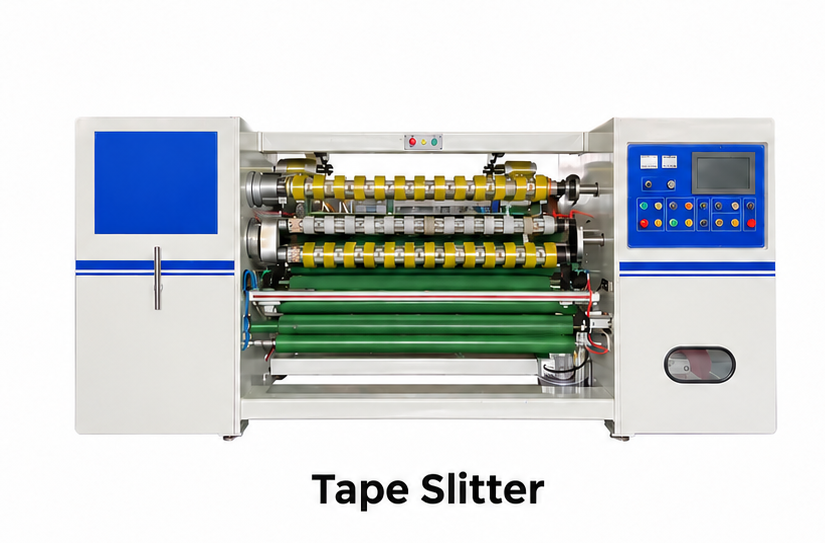
Tape Slitter
Slits adhesive-coated BOPP jumbo rolls to the required widths and rewinds them into smaller rolls at the set length.
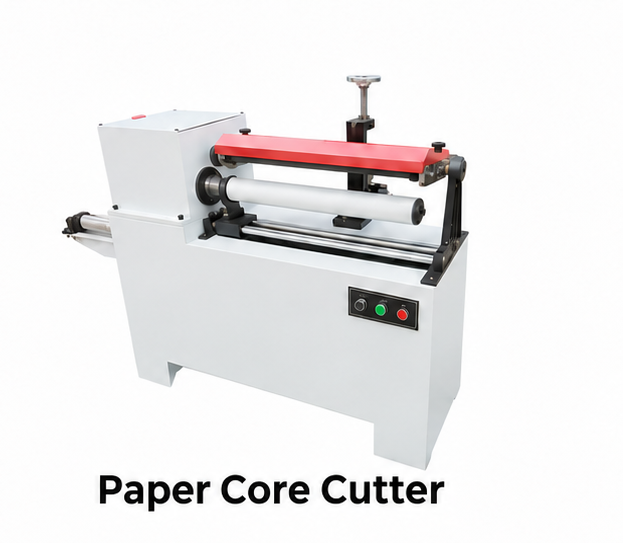
Paper Core Cutter
Cuts long paper tubes into short cores sized for the finished tape widths.
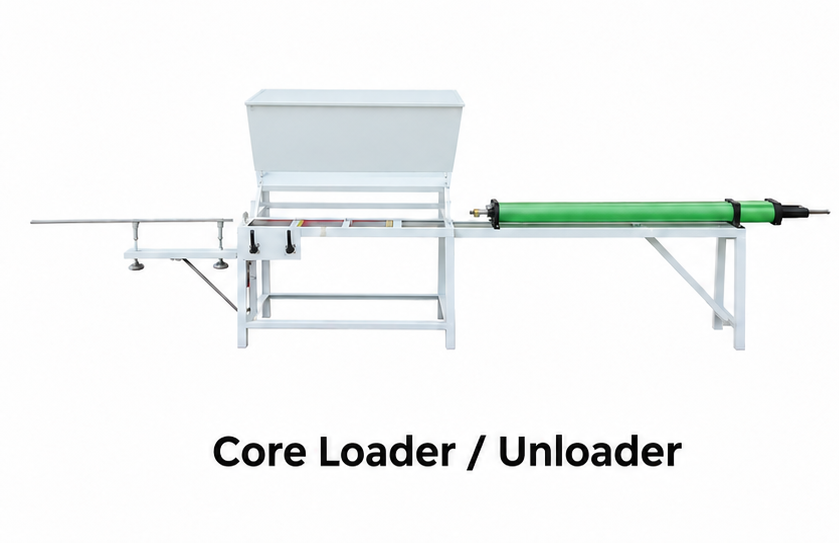
Core Loader / Unloader
Assists with loading paper cores onto the rewind shaft and unloading finished tape rolls.
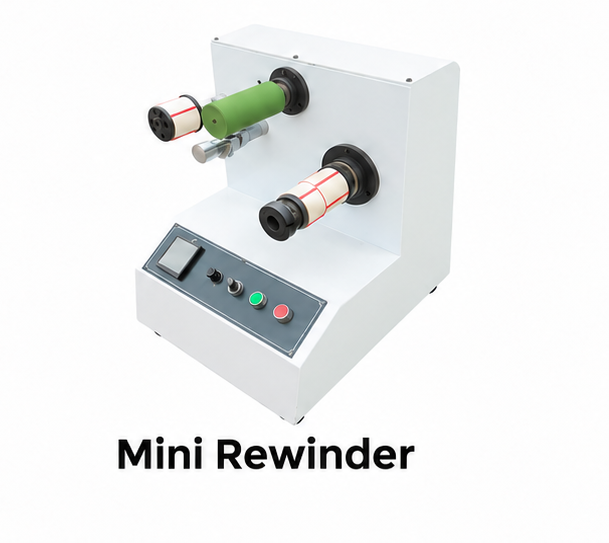
Mini Rewinder
Measures individual roll length and rewinds or trims finished rolls that need rework.
3. How do you specify the tooling?
Send the supplier your initial tape widths, core inner diameters and core wall thicknesses. Confirm the tooling sizes, functions and quantities, and which sizes can share tooling.
Have the quote state whether tooling is included and what you will need to add for future sizes.
4. What should you confirm before ordering?
Specification compatibility. Confirm jumbo roll width, finished tape width and length, and core dimensions so the machines and tooling match.
Scope of supply. List the four machines, tooling, blades, rewind shafts and spare parts, including quantities and any separately priced items.
Site requirements. Confirm electrical supply, compressed air requirements and floor space before installation.
Installation and training. Agree who will commission the equipment, how operators will be trained, and how after-sales support and wear parts will be supplied.
Pre-shipment acceptance. Agree trial specifications and inspection items, and request operating videos of the complete setup and the finished-roll inspection results.